Music Row · Business & Legacy
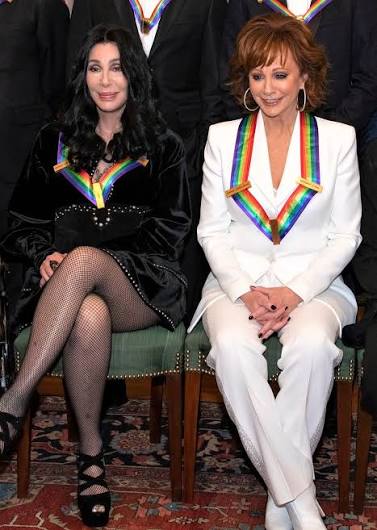
How Cher Accidentally Named Reba's Nashville Record Label
A tour bus, a Cher film, and the word "Moonstruck" — how a single syllable sparked one of Nashville's most enduring entertainment empires.
Read the Story →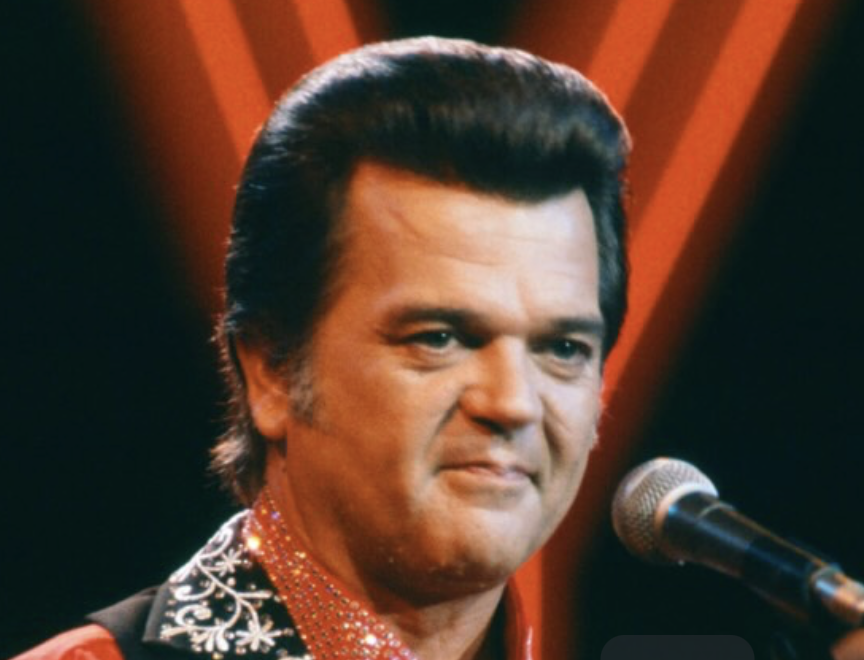
Music Row · Legends & Legacy
The First Song Played in Outer Space
When American astronauts reached for the stars, they brought a Nashville song with them—and Conway Twitty's voice traveled farther than anyone imagined.
Read the Story →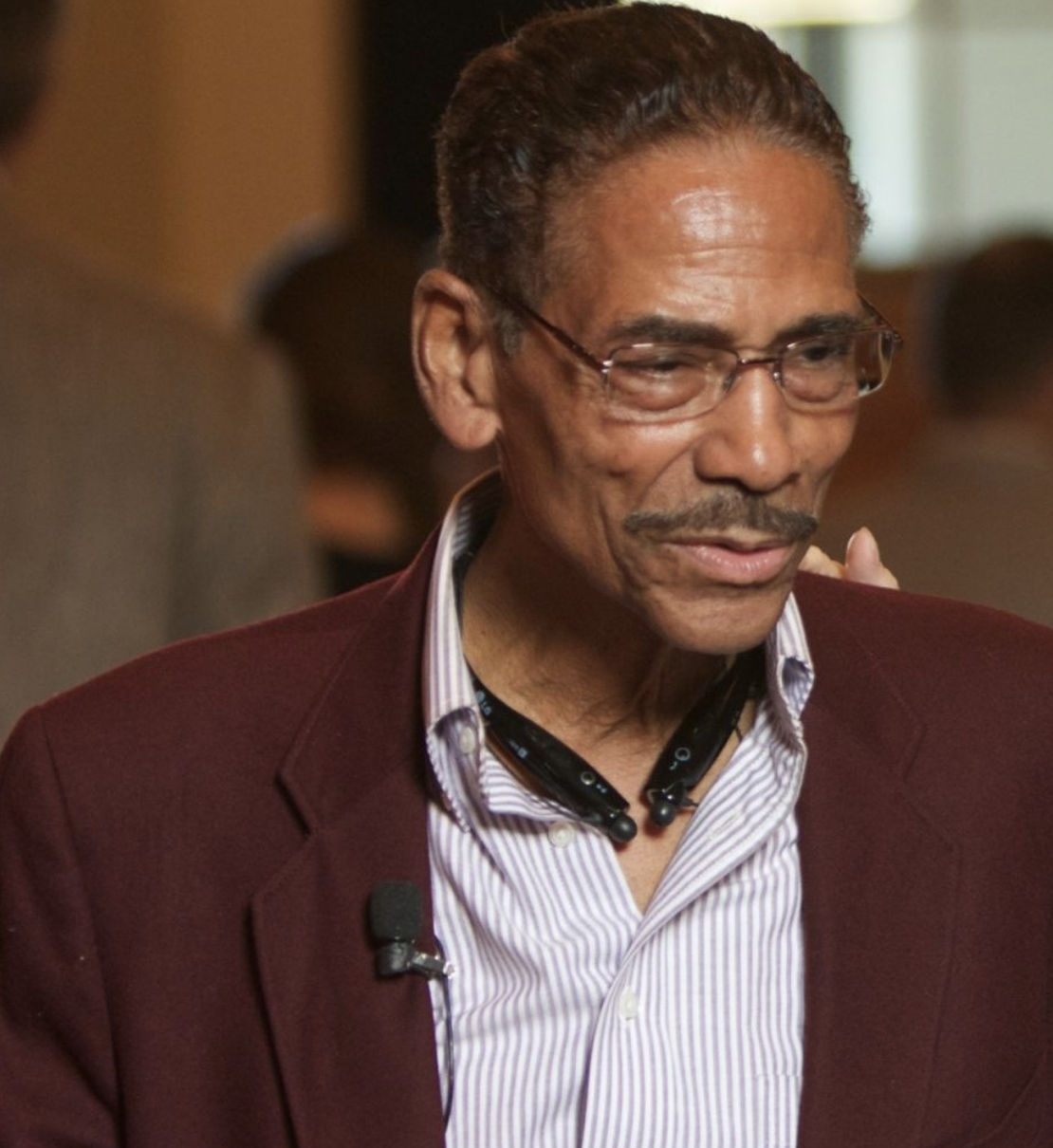
Edgehill · History & People
Civil Rights Hero - and Music Row Neighbor
One of the first Black students to desegregate Father Ryan High School, a Woolworth's sit-in participant, a neighborhood leader — and, for over 20 years, our neighbor.
Read the Story →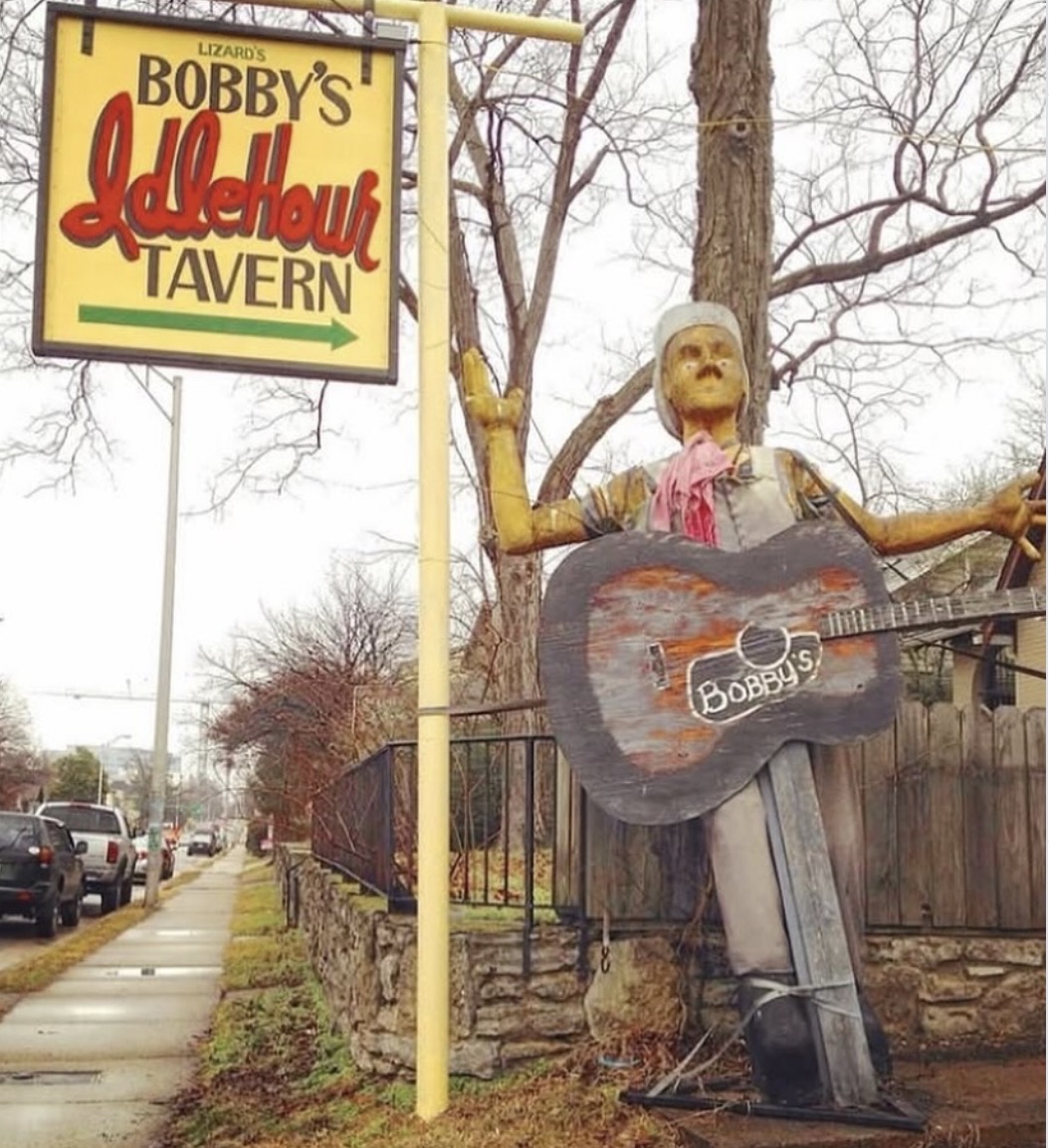
Music Row · Bars & Dives
Bobby's Idle Hour: Music Row's Last Standing Stage
For decades it was the dive where Music Row's real business got done — songwriters, scouts, and musicians all under one roof. Then the developers came.
Read the Story →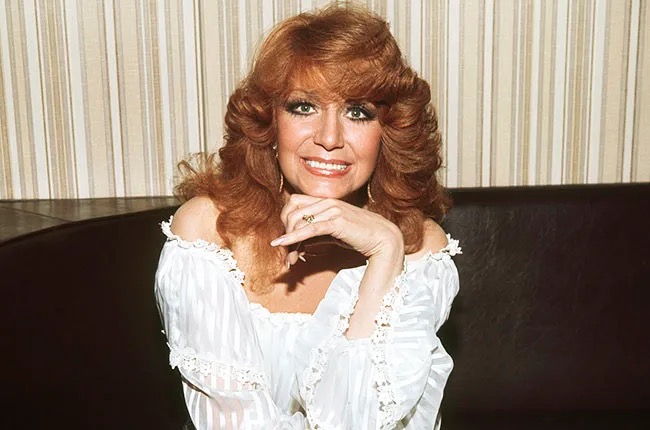
Music Row · Legends & Legacy
She Bid on Her Own Belongings at the IRS Auction — Then Headed for the Opry
She won the first Grammy ever given to a female country artist, dueted with Kenny Rogers, and lost everything to the IRS — but showed up to bid on her own things anyway. That was Dottie West.
Read the Story →
Nashville · Global Connections
Nashville's Other Team in the World Cup
Nashville doesn't have a World Cup stadium, but the city has skin in the game. Its sister city, Mendoza, Argentina, is two wins from a title — and Nashville's been showing up.
Read the Story →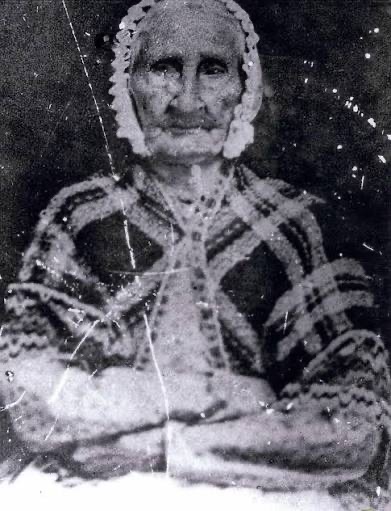
12 South · History & People
One Widow, 800 Miles, and a Ginger Cake
She was 60 years old, a widow, and she drove a cart 800 miles from North Carolina — funding the trip by baking and selling ginger cakes. The road you walk today bears her name.
Read the Story →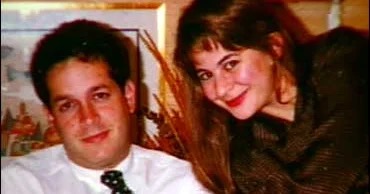
Nashville · Crime & Mystery
She Had an Appointment She Never Kept: What Happened to Janet March?
She was a painter, a mother, and beloved in Nashville's community. She had a divorce appointment on August 16, 1996. She never made it.
Read the Story →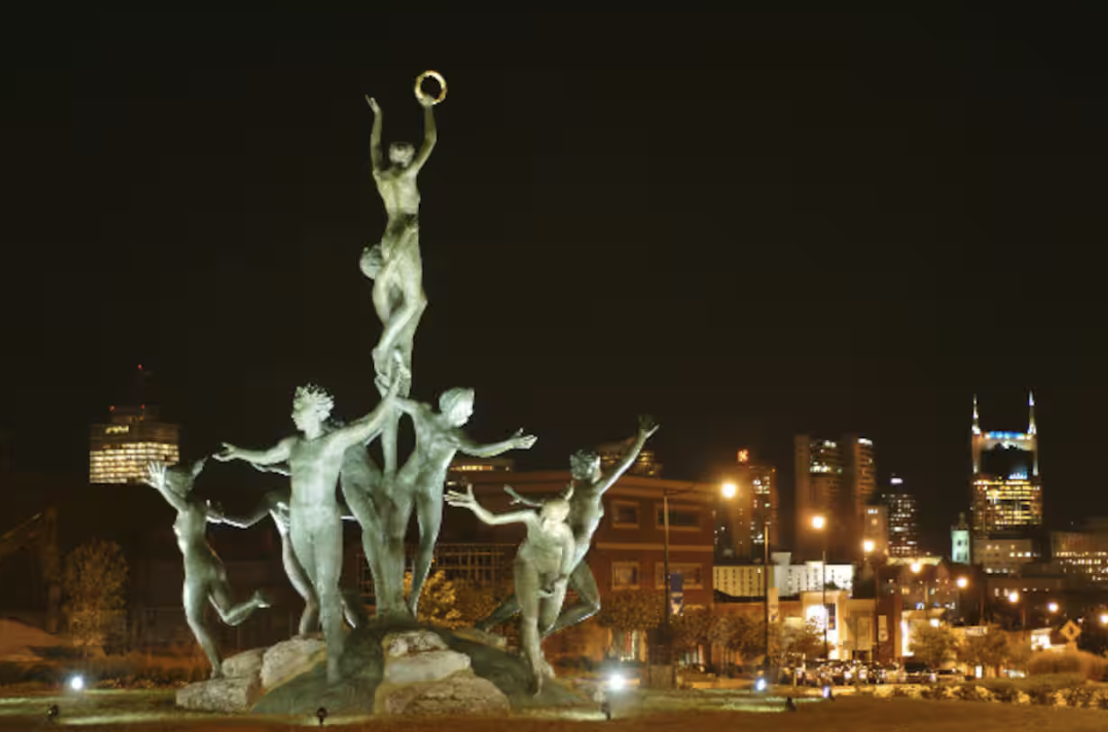
Music Row · Art & Culture
The Naked Statue That Shocked Nashville's Music Row
In 2003, Nashville unveiled a forty-foot bronze sculpture of nine completely naked people right in the middle of Music Row. The city was not ready.
Read the Story →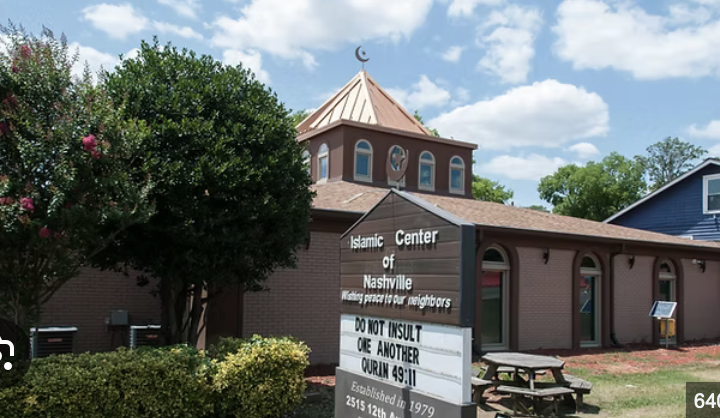
12 South · Faith & Community
When Cat Stevens Helped Build Nashville's First Mosque
A P.O. Box, a phone book full of cold-call invitations, and an unexpected check from one of the biggest pop stars on the planet — mid-transformation into Yusuf Islam.
Read the Story →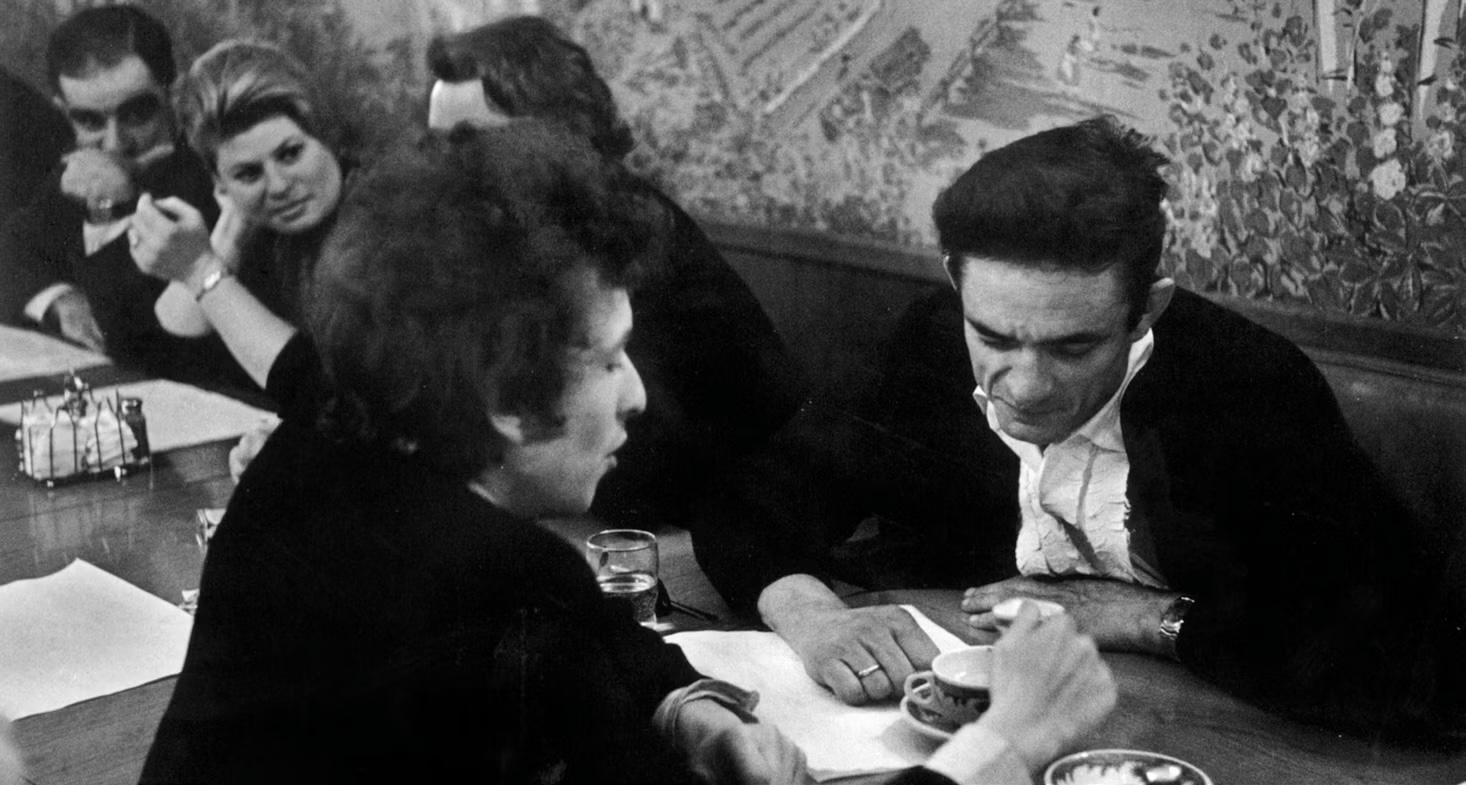
Music Row · Legends & Legacy
How Johnny Cash Brought Bob Dylan to Nashville
A hotel-room jam, a gifted Martin guitar, and two legends from opposite ends of America — how Johnny Cash and Bob Dylan changed each other's music.
Read the Story →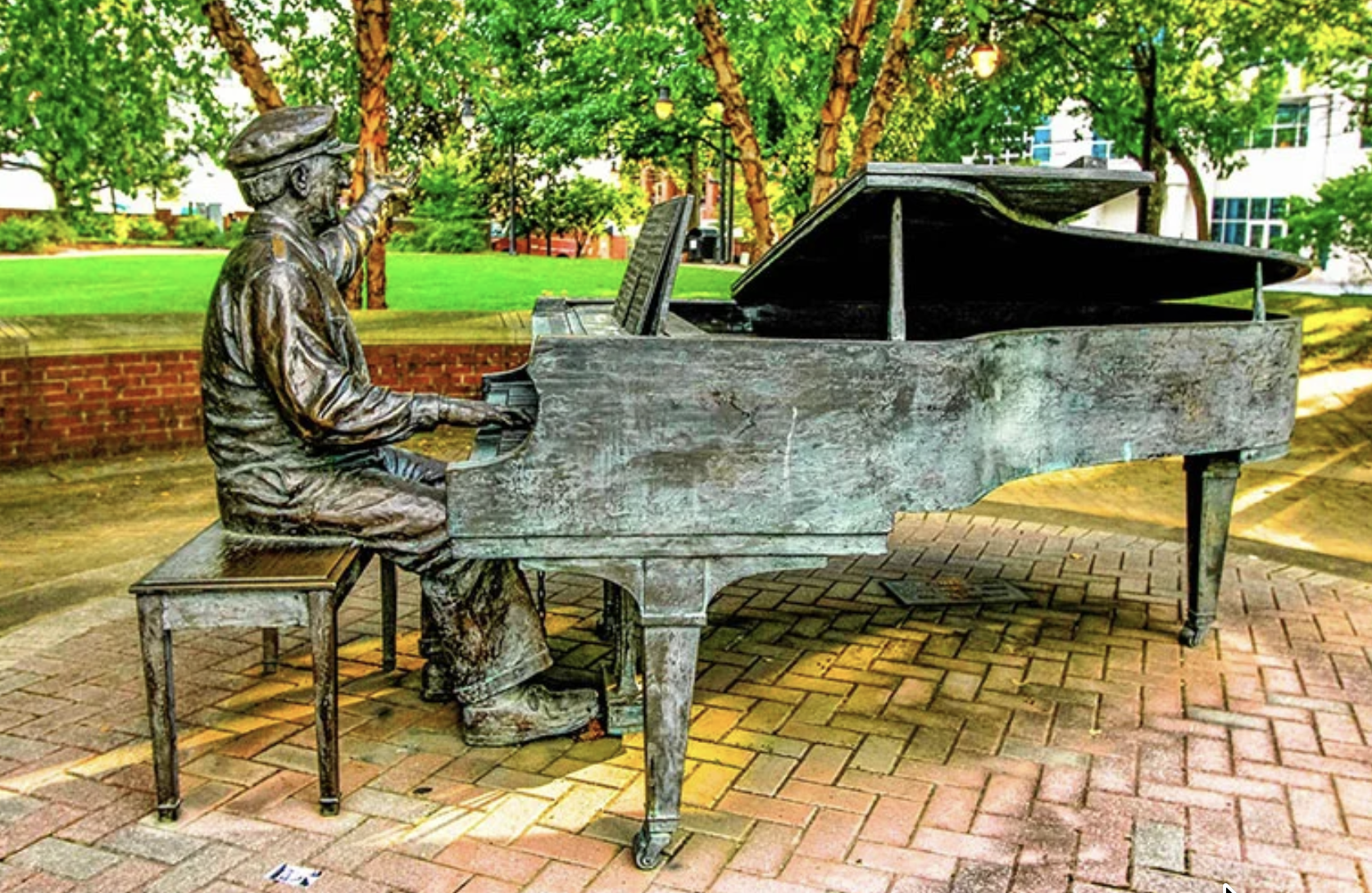
Music Row · History & Music
Owen Bradley Park: How One Green Space Shaped Nashville's Sound
A small roundabout park with a bronze man at a piano — and the story of how one quiet producer gave country music its smoothest sound.
Read the Story →New stories drop regularly — and every single one of them gets told (with a few extra details) on our walking tours.
Book a Tour